Lifestyle Habits for People with Diabetes: The Complete Guide to Blood Sugar Control
What Is Diabetes?
Diabetes is a chronic condition characterized by high levels of glucose in the blood due to impaired insulin production or resistance. Without proper management, diabetes can lead to serious complications affecting various organs.
Diagnostic Criteria for Diabetes
- Fasting Blood Glucose: ≥ 126 mg/dL
- 2-Hour Postprandial Glucose: ≥ 200 mg/dL
- HbA1c (Glycated Hemoglobin): ≥ 6.5%
- Random Blood Glucose: ≥ 200 mg/dL with diabetes symptoms
Top 10 Essential Lifestyle Habits for Diabetic Patients
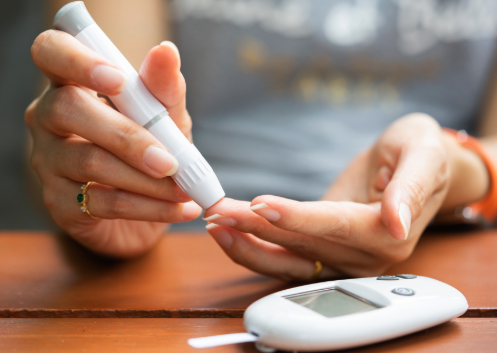
1. Regular Blood Glucose Monitoring
Track your blood sugar at key times:
- Fasting (morning)
- Before meals
- 2 hours after meals
- Before bedtime
- When feeling unwell
Target Levels:
- Fasting: 80–130 mg/dL
- Post-meal (2 hrs): < 180 mg/dL
2. Diabetic Diet & Carb Counting
Manage carbs for better glucose control.
Recommended Macronutrient Ratio:
- Carbohydrates: 45–65%
- Protein: 15–20%
- Fat: 20–35%
Per Meal Carb Range:
- Women: 45–60g
- Men: 60–75g
Low-GI Foods:
- Brown rice, oats, whole grain bread
- Beans, legumes, nuts
- Leafy greens, broccoli
- Apples, pears, berries
3. Consistent Exercise Routine
Aim for 150+ minutes of moderate-intensity exercise per week.
Aerobic Exercise (5 days/week):
- Brisk walking, biking, swimming, stairs
Strength Training (2–3 times/week):
- Weights, resistance bands, bodyweight exercises
Tips:
- Check blood sugar before/after workouts
- Carry fast-acting glucose (juice, candy)
- Inspect feet for injuries before/after exercise
4. Maintain a Healthy Weight
Keep BMI between 18.5–24.9, waist circumference:
- Men: < 90 cm
- Women: < 80 cm
Goal: Lose 0.5–1kg per week. Avoid extreme diets.
5. Manage Stress
Chronic stress raises blood sugar.
Techniques:
- Meditation, yoga, deep breathing
- 7–8 hours of sleep
- Social hobbies, counseling if needed
6. Avoid Smoking and Limit Alcohol
Smoking and excessive drinking accelerate complications.
- Quit smoking completely
- Limit alcohol: Men ≤ 2 drinks/day, Women ≤ 1 drink/day
- Avoid drinking on an empty stomach
- Steer clear of sugary drinks (beer, cocktails)
7. Routine Medical Checkups
- HbA1c test every 3 months (goal: < 7%)
- Annual full health exam
- Eye exam (for diabetic retinopathy)
- Kidney function and cardiovascular screenings
8. Foot Care (Preventing Diabetic Foot)
Daily inspection and hygiene are crucial.
- Check for cuts, blisters, calluses
- Wash feet with lukewarm water and dry between toes
- Wear comfortable shoes
- Never walk barefoot
9. Medication Adherence
Follow your doctor’s prescription strictly.
- Take medication on time
- Never stop meds without consultation
- Report side effects
- Watch for drug interactions
10. Emergency Preparedness
Be ready for hypoglycemia or hyperglycemia.
- Blood sugar < 70 mg/dL → consume sugar immediately
- Loss of consciousness → call emergency services
- Carry emergency contact info
- Wear a diabetes alert bracelet
Foods to Avoid vs. Recommended for Diabetes
❌ Foods to Avoid (High Glycemic Index)
- White rice, white bread, instant noodles
- Cookies, cakes, candies
- Sugary drinks, fruit juice
- Honey, syrup, sugar
- Fried foods, fast food
- Processed meats (sausages, ham)
✅ Recommended Foods for Blood Sugar Control
- Brown rice, oats: high in fiber
- Broccoli, spinach: rich in vitamins and minerals
- Salmon, mackerel: omega-3 fatty acids
- Almonds, walnuts: healthy fats
- Blueberries, strawberries: antioxidants
- Cinnamon, turmeric: may improve insulin sensitivity
Preventing Diabetic Complications
🔹 Acute Complications
Hypoglycemia Prevention:
- Eat meals regularly
- Monitor blood sugar before/after workouts
- Carry emergency glucose sources
Hyperglycemia Prevention:
- Avoid overeating
- Control stress
- Monitor frequently during illness
🔹 Chronic Complications
Heart Disease Prevention:
- Keep blood pressure < 130/80 mmHg
- Manage cholesterol
- Quit smoking and limit alcohol
Kidney Protection:
- Moderate protein intake
- Regular kidney function tests
- Stay hydrated
Eye Health:
- Annual eye exams
- Manage blood sugar and blood pressure
- See a doctor immediately for vision changes
Daily Routine for Diabetics
Morning (6:00–9:00)
- Measure fasting glucose
- Light stretching
- Balanced breakfast
- Take medication
Lunch (12:00–13:00)
- Measure blood sugar
- Count carbs
- Light walk after eating
Dinner (18:00–19:00)
- Measure before meals
- Eat before 9 PM
- Test blood sugar 2 hours after dinner
Before Bed (21:00–22:00)
- Check blood sugar
- Inspect feet
- Record daily glucose
Diabetes Management Checklists
✅ Daily
- Measure fasting glucose
- Eat 3 regular meals
- Count carbs
- Walk at least 30 mins
- Take prescribed meds
- Check feet
- Stay hydrated
- Manage stress
✅ Weekly
- Weigh yourself
- Exercise ≥ 150 mins
- Organize blood glucose log
- Check emergency supplies
✅ Monthly
- See your doctor
- Check blood pressure
- Get foot exam
- Review meds for side effects
Best Diabetes Apps and Tools
Apps:
- Log and graph blood glucose
- Track meals, carbs, and calories
- Record workouts
- Set medication reminders
Essential Tools:
- Glucometer & test strips
- Lancets
- Blood pressure monitor
- Scale
- Foot inspection mirror
Managing Diabetes with Family Support
Family Education:
- Understand diabetes basics
- Learn how to handle emergencies
- Follow a healthy diet together
- Be an exercise buddy
- Offer emotional support
Conclusion
Diabetes is a lifelong condition, but it can be effectively managed through consistent habits. Regular glucose monitoring, proper diet, physical activity, and stress control are the keys to living a healthy life.
Consistency is everything. Start small, build sustainable routines, and consult your healthcare provider regularly. Your steady commitment is the most powerful tool in diabetes management.