Signs of Poor Blood Circulation: Listen to Your Body's Signals and Find Solutions
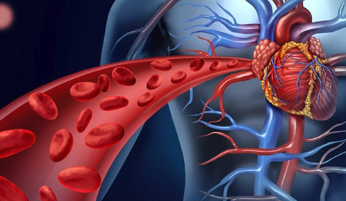
Our body's blood plays a vital role in delivering oxygen and nutrients and removing waste products. As long as our heart keeps pumping, blood continuously circulates throughout the body, sustaining life. But what happens if blood circulation becomes a problem? Our bodies begin to express discomfort in various ways. Today, we'll explore common symptoms that appear when blood circulation isn't smooth, along with practical solutions to improve it.
1. Numbness and Coldness in Hands and Feet
One of the most common symptoms is numbness and coldness in the hands and feet. If your hands and feet feel cold and clammy even when the weather isn't chilly, it's likely a sign of poor blood circulation. This happens because blood can't adequately reach the extremities. Numbness can occur not only after maintaining a specific posture for a long time but also frequently during daily life.
💡 Solutions:
- Stay Warm: Wearing socks and gloves, and soaking your hands and feet in warm water can help.
- Gentle Stretching: Regularly rotating and massaging your wrists and ankles can improve blood circulation.
- Warm Compresses: Applying a warm towel or hot pack to the affected area can also be effective.
2. Edema (Swelling)
If blood circulation isn't smooth, bodily fluids can't be properly expelled and accumulate in the body, easily leading to edema. If your eyelids or face are swollen in the morning, or your legs swell significantly by the afternoon, you should suspect poor circulation. This is often seen in people with jobs that involve prolonged standing or sitting.
💡 Solutions:
- Drink Enough Water: Sufficient water intake helps flush out waste products from the body.
- Reduce Sodium Intake: Salty foods worsen swelling, so it's best to limit them.
- Elevate Your Legs: Placing a pillow under your legs before sleep to elevate them above your heart can help reduce swelling.
- Light Walks: Walking helps stimulate blood circulation by engaging calf muscles.
3. Fatigue and Lethargy
If you feel persistent fatigue or lethargy even after getting enough rest, you might have blood circulation issues. When blood flow is insufficient, cells don't receive enough oxygen and nutrients, leading to reduced energy production. If you suffer from chronic fatigue, efforts to improve blood circulation may be necessary.
💡 Solutions:
- Regular Aerobic Exercise: Activities like walking, jogging, and swimming strengthen cardiovascular function and promote blood circulation.
- Sufficient Sleep: 7-8 hours of sleep per day is essential for body recovery and blood circulation.
- Stress Management: Stress can constrict blood vessels and hinder circulation, so finding your own ways to manage stress is important.
4. Skin Changes
Blood circulation is directly linked to skin health. Poor blood circulation can lead to pale or bluish skin, or changes like dry, dull skin and loss of elasticity. Also, slow-healing wounds or easy bruising can be signs of poor circulation.
💡 Solutions:
- Warm Showers or Half-Body Baths: These help dilate blood vessels and improve blood flow.
- Massage: Gently massaging your skin can help promote blood circulation and aid in waste removal.
- Consume Circulation-Boosting Foods: Foods like garlic, onions, ginger, and oily fish can help improve blood circulation.
5. Poor Concentration and Dizziness
The brain is one of the organs that consumes the most oxygen in our body. If blood circulation isn't smooth and blood supply to the brain decreases, concentration can drop and memory may decline. Additionally, feeling dizzy when standing up suddenly or having a foggy mind could indicate a problem with brain circulation.
💡 Solutions:
- Regular Neck and Shoulder Stretches: Loosening muscles around the neck and shoulders can help brain blood circulation.
- Adequate Nutrient Intake: It's crucial to consume a balanced diet with nutrients essential for brain function (e.g., Omega-3s, B vitamins).
- Reduce Caffeine and Alcohol Intake: Excessive consumption can negatively impact blood vessel health.
If these symptoms persist, it's important to listen to your body's signals and consult a healthcare professional to identify the exact cause, rather than simply dismissing them as 'just fatigue.' Maintaining good blood circulation through regular exercise, a balanced diet, adequate hydration, and quitting smoking is the first step towards a healthy life.