Complete Guide to Early Symptoms and Vaccination for Shingles
Introduction
Shingles is a common condition among adults aged 50 and older, often accompanied by severe pain and skin rashes. However, it can be effectively prevented and managed through early detection, appropriate treatment, and vaccination. Today, we’ll take a detailed look at the early signs of shingles and how to prevent it with vaccination.
What is Shingles?
Shingles is caused by the reactivation of the varicella-zoster virus—the same virus that causes chickenpox. After a person recovers from chickenpox, the virus remains dormant in the nerve ganglia. When the immune system weakens, the virus can reactivate and spread along the nerves, resulting in shingles.
High-Risk Groups
- Adults aged 50 and over (risk increases with age)
- People with weakened immune systems
- Those under high stress
- Individuals recovering from surgery or extreme fatigue
- Cancer patients undergoing treatment
- Those taking immunosuppressant drugs
Early Symptoms of Shingles
Shingles does not appear suddenly—it often shows several early warning signs. Recognizing these early symptoms can help prevent serious complications through prompt treatment.
Stage 1: Prodromal Stage (1–3 Days)
Sensory Changes
- Burning sensation on one side of the body
- Tingling or numbness
- Skin sensitivity
- Pain even from light contact with clothing
General Symptoms
- Mild fever and chills
- Flu-like symptoms
- Fatigue and weakness
- Headache
- Indigestion or upset stomach
Localized Pain
- Deep, dull pain in a specific area
- Similar to muscle aches
- Pain may not respond to regular painkillers
- Often worse at night
Stage 2: Acute Stage (3–5 Days)
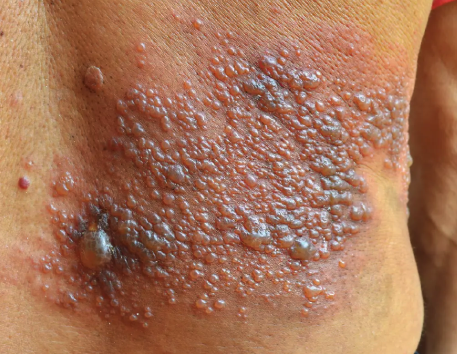
Skin Rash Appears
- Red patches appear in a band-like pattern
- Occurs only on one side of the body (key feature)
- Common areas: chest, back, abdomen, face
- Initially looks like small mosquito bites
Blister Formation
- Turns into blisters within 12–24 hours
- Small, clear blisters about the size of a grain of rice
- Blisters burst and scab over
- Naturally heals within 2–3 weeks
Stage 3: Healing Stage (2–4 Weeks)
Scab Formation and Shedding
- Blisters dry up and form scabs
- Scabs fall off as the skin heals
- May leave pigmentation or scars
Symptoms by Body Area
Chest and Back (Most Common)
- Appears in a band along intercostal nerves
- Pain worsens when breathing
- Sensitive to friction from clothes
Face (Trigeminal Nerve Area)
- Around the eyes, forehead, and nose
- If it affects the eyes, it may cause vision loss
- Can also affect hearing if around the ears
- Rashes may appear inside the mouth
Neck and Shoulders
- Spreads along the nerves from the neck to shoulders
- May limit neck movement
- Tingling in the arms may occur
Abdomen and Waist
- Appears as a band from the side to the navel
- Often mistaken for internal organ pain
- Can be accompanied by indigestion
Conditions to Differentiate from Shingles
Herpes Simplex
- Usually appears on lips or genitals
- Often appears symmetrically
- Frequently recurs
Contact Dermatitis
- Occurs only on areas exposed to allergens
- Itching is the main symptom
- Does not follow nerve patterns like shingles
Insect Bites
- Appears in scattered spots
- Itching is the primary symptom
- Does not form a band pattern
Complications and Risks
Postherpetic Neuralgia
- The most common and serious complication
- Pain persists even after rash disappears
- Can last for months or even years
- Higher risk in older adults
Eye Complications (Ophthalmic Shingles)
- Can cause keratitis, conjunctivitis
- Risk of vision loss or blindness
- May lead to glaucoma
Ear Complications (Aural Shingles)
- Hearing loss
- Dizziness
- Facial paralysis (Ramsay Hunt Syndrome)
Other Complications
- Bacterial infection of blistered areas
- Scarring or pigmentation
- Encephalitis (rare but serious)
Shingles Vaccination
Importance of Vaccination
Vaccination reduces the risk of developing shingles by 50–70%, and even if it occurs, symptoms are significantly milder. It’s particularly effective in preventing postherpetic neuralgia.
Who Should Get Vaccinated?
Recommended Ages
- All adults aged 50 and older
- Strongly recommended for those 60 and older
- Adults with weakened immunity (consult with a doctor)
Eligible Individuals
- Those who had chickenpox in the past
- Those who had shingles (can vaccinate 1 year after recovery)
- Those who received a chickenpox vaccine
Types of Vaccines
Zostavax
- Live attenuated vaccine
- Single-dose injection
- Effective for about 5 years
- Not recommended for immunocompromised individuals
Shingrix (Latest Vaccine)
- Recombinant vaccine (safer)
- Two doses (2–6 months apart)
- Over 90% effective
- Lasts over 10 years
- Safe for immunocompromised individuals
Vaccination Schedule and Procedure
Shingrix Schedule
- Second dose 2–6 months after the first
- Intramuscular injection in the upper arm (deltoid)
- Stay at the clinic for 30 minutes after vaccination
Cost
- Not covered by national health insurance (as of 2025)
- Costs around 150,000–200,000 KRW per dose
- Prices vary by hospital
Post-Vaccination Care
Common Side Effects
- Pain, redness, or swelling at injection site
- Muscle aches, fatigue
- Mild fever, headache
- Usually resolve within 2–3 days
Severe Side Effects (Rare)
- Severe allergic reaction
- High fever (over 38.5°C)
- Severe swelling at injection site
Aftercare Tips
- Keep injection area clean
- Avoid intense exercise or sauna
- Stay hydrated and rest well
- Visit a clinic if unusual symptoms occur
Contraindications
Absolute Contraindications
- Allergic to vaccine ingredients
- Currently have acute febrile illness
- Pregnant women
Relative Contraindications (Consult Doctor)
- Taking immunosuppressants
- Undergoing cancer treatment
- Post organ transplantation
- HIV-positive individuals
Lifestyle Tips for Shingles Prevention
Strengthen Immunity
Regular Exercise
- At least 30 minutes of aerobic exercise 3 times per week
- Excessive exercise can reduce immunity
- Adjust intensity to your fitness level
Sufficient Sleep
- 7–8 hours of sleep daily
- Maintain a regular sleep pattern
- Create a good sleep environment
Balanced Nutrition
- Adequate protein, vitamins, and minerals
- Immunity-boosting nutrients like Vitamin C, D, and Zinc
- Avoid excessive alcohol and smoking
Stress Management
Stress Relief Methods
- Meditation, yoga, deep breathing
- Hobbies and leisure activities
- Maintain healthy relationships with family and friends
Avoid Overwork
- Take proper breaks and manage workload
- Rest when feeling tired
- Avoid overbooking your schedule
Healthy Habits
No Smoking, Moderate Drinking
- Smoking significantly weakens immunity
- Avoid heavy drinking
- Maintain a consistent daily routine
Regular Health Check-ups
- Full check-up at least once a year
- Manage chronic illnesses thoroughly
- Be attentive to body changes
Importance of Early Detection and Treatment
Golden Time: 72 Hours
Shingles treatment is most effective when antiviral medications are started within 72 hours of the rash appearing. Missing this window greatly reduces effectiveness.
When to See a Doctor Immediately
- Rash appears in a band on one side of the body
- Painful blisters develop
- Rash appears on the face, especially around the eyes
- Rash appears around the ears or neck
Treatment Options
Antiviral Medications
- Acyclovir, Valacyclovir, Famciclovir
- Suppress viral replication and relieve symptoms
- Must be taken within 72 hours of rash onset
Pain Relief
- From over-the-counter to prescription opioids
- Anticonvulsants or antidepressants for nerve pain
- Pain management is essential
Topical Treatments
- Antiviral ointments
- Pain-relief patches
- Proper care and disinfection of blisters
Frequently Asked Questions
Q: Is shingles contagious?
A: Shingles itself is not contagious, but the fluid in the blisters contains the virus, which can cause chickenpox in those who haven’t had it. Avoid contact until the blisters dry.
Q: Can I get shingles more than once?
A: Yes. Around 5–10% of patients experience recurrence. Risk increases with weakened immunity.
Q: Can I still get shingles after vaccination?
A: Vaccination is not 100% effective, but symptoms will be much milder, and the risk of complications is significantly reduced.
Q: When should I get vaccinated?
A: It's recommended to get vaccinated as soon as you turn 50. If you’ve had shingles before, you can get vaccinated one year after full recovery.
Conclusion
Shingles can happen to anyone, but it is manageable with proper prevention and early treatment. For adults aged 50 and above, vaccination is the most effective preventive measure.
Strengthen your immunity with a healthy lifestyle, and seek immediate medical care if any suspicious symptoms appear. Through proper habits and vaccination, we hope you enjoy a healthy life free of shingles.
※ This article is for informational purposes only and should not replace personalized diagnosis or treatment. Please consult a medical professional for vaccination or treatment advice.